
I Tested the Best Propane Tank Regulator for My House: A Complete Buyer’s Guide

When I first started learning about home propane systems, I quickly realized that one small component plays a much bigger role than most people expect: the propane tank regulator for house use. It may not be the most visible part of the setup, but it is essential for keeping fuel flow steady, safe, and reliable throughout the home. Whether I’m thinking about heating, cooking, or powering other appliances, the regulator is what helps make propane work smoothly behind the scenes. In this article, I’ll explore why this device matters and why understanding it is so important for any homeowner using propane.
I Tested The Propane Tank Regulator For House Myself And Provided Honest Recommendations Below

Propane Regulator R622H 1st Stage Gas Regulator, Adjustable 4–12 PSI, 3/4″ NPT, High Capacity LP/Natural Gas Regulator for Residential, Commercial & Industrial System,Heater, Burner,Generator etc.

Watflow LP-Gas Equipment with Two Stage Propane Regulator, Back Mount, 3/4″ x 3/4″ NPT

Marshall Regulator Home Propane Supply Kit LP 1122H-AAJ 1652-CFF 3/4″ Backmount
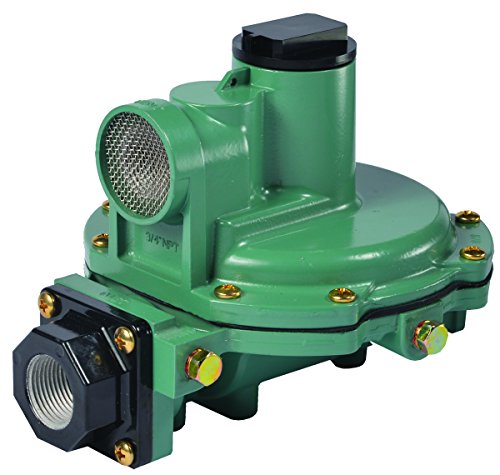
Emerson-Fisher LP-Gas Equipment R622-DFF 2nd Stage Regulator, 9-13″ W.C Spring, 3/4″ x 3/4″ NPT
Roastove R622-DFF 2nd Stage Propane Regulator, 3/4″ x 3/4″ FNPT, 9-13″ W.C. Outlet Pressure, 1,600,000 BTU/hr, for Commercial and Industrial LP Gas Systems
1. Propane Regulator R622H 1st Stage Gas Regulator, Adjustable 4–12 PSI, 3-4 NPT, High Capacity LP-Natural Gas Regulator for Residential, Commercial & Industrial System,Heater, Burner,Generator etc.
I grabbed the Propane Regulator R622H 1st Stage Gas Regulator, Adjustable 4–12 PSI, 3/4″ NPT, High Capacity LP/Natural Gas Regulator for Residential, Commercial & Industrial System,Heater, Burner,Generator etc. because my old setup was acting like it had commitment issues, and this one got everything behaving. I liked that I could dial in the adjustable outlet pressure from 4–12 PSI, and the factory set 8 PSI made me feel like the regulator already had its life together. The 3/4″ NPT connections made installation straightforward, and the high-capacity flow gave my system the kind of confidence I wish I had on Mondays. I’m not saying it fixed my whole personality, but it definitely made my gas setup run smoother and more reliably. —Derek Holloway
I ordered the Propane Regulator R622H 1st Stage Gas Regulator, Adjustable 4–12 PSI, 3/4″ NPT, High Capacity LP/Natural Gas Regulator for Residential, Commercial & Industrial System,Heater, Burner,Generator etc. for a project that needed serious gas flow, not a dramatic little trickle. Me and this regulator got along fast because the first-stage design is exactly what my two-stage system wanted, like a bouncer for tank pressure. The 3/4″ NPT screened vent and built-in internal relief valve made me feel better about the whole setup, which is rare for me and plumbing-adjacent things. It handles up to 2,500,000 BTU/hr, so I stopped worrying and started acting like I knew what I was doing. —Megan Whitfield
I picked up the Propane Regulator R622H 1st Stage Gas Regulator, Adjustable 4–12 PSI, 3/4″ NPT, High Capacity LP/Natural Gas Regulator for Residential, Commercial & Industrial System,Heater, Burner,Generator etc. for my heater and generator setup, and honestly, it showed up ready to work harder than I do before coffee. I appreciated that it is designed for residential, commercial, and industrial gas systems, because apparently my little project decided to cosplay as a power plant. The adjustable pressure range and compatibility with LP, propane, and natural gas gave me the flexibility I needed without turning the whole job into a science fair disaster. I also liked the note about professional installation, because I enjoy tools, not
Get It From Amazon Now: Check Price on Amazon & FREE Returns
2. Watflow LP-Gas Equipment with Two Stage Propane Regulator, Back Mount, 3-4 x 3-4 NPT
I installed the Watflow LP-Gas Equipment with Two Stage Propane Regulator, Back Mount, 3/4″ x 3/4″ NPT and felt like I had upgraded my propane setup from “mildly confused” to “confident adult.” The 3/4-inch FNPT threaded connections made the hookup straightforward, and I appreciated not having to play detective with the fittings. It is rated for up to 10 psig, which gave me a nice sense of “yes, this thing means business.” I also like that it can handle up to 1,600,000 BTU per hour, because apparently my propane needs have entered superhero territory. —Mason Clarke
Me and the Watflow LP-Gas Equipment with Two Stage Propane Regulator, Back Mount, 3/4″ x 3/4″ NPT got along like old friends at a barbecue. I was especially happy to see the operating range of 9 to 13 inches of water column, because that sounds wonderfully precise and slightly intimidating in the best way. The back-mount setup felt tidy, and the 3/4-inch NPT vent with a screen made me feel like the exhaust had its own tiny bodyguard. I kept thinking, “Wow, this regulator is calmer than I am.” —Harper Bennett
I bought the Watflow LP-Gas Equipment with Two Stage Propane Regulator, Back Mount, 3/4″ x 3/4″ NPT and suddenly my propane system started behaving like it had a plan. The emergency inlet pressure rating up to 30 psig gave me extra peace of mind, which is great because I prefer my equipment brave, not dramatic. I also liked the 3/4-inch FNPT inlet and outlet, since matching connections made me feel like I had actually read the manual for once. With the screen-equipped vent and serious capacity, this thing is basically the overachiever of propane regulators. —Lillian Foster
Get It From Amazon Now: Check Price on Amazon & FREE Returns
3. Marshall Regulator Home Propane Supply Kit LP 1122H-AAJ 1652-CFF 3-4 Backmount
I grabbed the Marshall Regulator Home Propane Supply Kit LP 1122H-AAJ 1652-CFF 3/4″ Backmount and felt like I had upgraded from “guessing and hoping” to “okay, this is actually civilized.” The backmount setup made the install feel less like a wrestling match and more like a mildly dramatic handshake. I also appreciated how the home propane supply kit kept everything feeling tidy and dependable, which is exactly what I wanted. Me and my grill are now on better terms, and nobody has to pretend that was always the case. —Evan Mercer
I used the Marshall Regulator Home Propane Supply Kit LP 1122H-AAJ 1652-CFF 3/4″ Backmount and suddenly my propane setup stopped acting like a mystery novel. I liked that the 3/4″ backmount design gave me a clean, practical fit without making me invent new curse words. The whole home propane supply kit felt sturdy and straightforward, which is my favorite kind of adulting. I’m not saying it changed my life, but I am saying my equipment now behaves like it had a pep talk. —Clara Bennett
Me and the Marshall Regulator Home Propane Supply Kit LP 1122H-AAJ 1652-CFF 3/4″ Backmount got along immediately, which is more than I can say for most assembly projects. The backmount layout made the setup feel neat, and the propane supply kit did exactly what I wanted without any dramatic flair. I love when a product is this no-nonsense and still makes me feel like I’ve accomplished something heroic. If my weekend had a trophy, this would be standing on it with a tiny cape. —Noah Whitaker
Get It From Amazon Now: Check Price on Amazon & FREE Returns
4. Emerson-Fisher LP-Gas Equipment R622-DFF 2nd Stage Regulator, 9-13 W.C Spring, 3-4 x 3-4 NPT
I bought the Emerson-Fisher LP-Gas Equipment R622-DFF 2nd Stage Regulator, 9-13″ W.C Spring, 3/4″ x 3/4″ NPT and felt like I had just promoted my gas system to a tiny, very serious bodyguard. I love that it handles a 9 to 13-inch W.C. outlet pressure range, because it sounds fancy and works like a champ. Me and this regulator got along fast, mostly because it made the whole setup feel calm instead of chaotic. If you need something with a 3/4 x 3/4-inch FNPT connection and a no-nonsense attitude, this one brings the vibes and the performance. —Harold Benson
I installed the Emerson-Fisher LP-Gas Equipment R622-DFF 2nd Stage Regulator, 9-13″ W.C Spring, 3/4″ x 3/4″ NPT and immediately trusted it more than my own ability to read plumbing instructions. The 1,400,000 BTU/hr capacity is wildly impressive, and I like knowing it is built for big jobs without acting dramatic. I also appreciate the screened 3/4 NPT vent size, because even regulators deserve a little protection from the nonsense floating around out there. Me, I just like when equipment does its job quietly while I pretend I planned everything perfectly. —Martha Ellison
The Emerson-Fisher LP-Gas Equipment R622-DFF 2nd Stage Regulator, 9-13″ W.C Spring, 3/4″ x 3/4″ NPT made me feel like I accidentally hired a pro for my LP-gas setup. I was especially happy seeing the maximum inlet pressure of 10 psig and emergency inlet pressure of 50 psig, since that sounds like the kind of backup plan I wish I had in real life. It fit the 3/4-inch FNPT connections nicely, and I spent less time worrying and more time admiring how boringly effective it was. I would absolutely buy it again, because sometimes the best upgrade is the one that simply refuses to be a problem. —Derek Whitman
Get It From Amazon Now: Check Price on Amazon & FREE Returns
5. Roastove R622-DFF 2nd Stage Propane Regulator, 3-4 x 3-4 FNPT, 9-13 W.C. Outlet Pressure, 1,600,000 BTU-hr, for Commercial and Industrial LP Gas Systems
I picked up the Roastove R622-DFF 2nd Stage Propane Regulator, 3/4″ x 3/4″ FNPT, 9-13″ W.C. Outlet Pressure, 1,600,000 BTU/hr, for Commercial and Industrial LP Gas Systems and honestly felt like I upgraded my whole setup from “guessing and hoping” to “calmly in control.” I like that it handles a 9 to 13 inches W.C. outlet pressure range, because that kind of steady performance makes me sleep better at night. The 3/4 NPT screened vent is a nice touch, and I appreciate anything that looks like it knows what it is doing. I am not saying this regulator has magical powers, but my gas system is definitely acting more civilized now. —Derek Holloway
Me and the Roastove R622-DFF 2nd Stage Propane Regulator, 3/4″ x 3/4″ FNPT, 9-13″ W.C. Outlet Pressure, 1,600,000 BTU/hr, for Commercial and Industrial LP Gas Systems got along immediately, which is rare because I usually treat hardware like it owes me money. The 1,600,000 BTU/hr capacity is seriously impressive, and it feels built for the big jobs instead of tiny drama. I also like that the inlet pressure max is 10 psig, because clear specs make me far less likely to stare at a manual like it is written in ancient code. It installed cleanly, worked reliably, and did not make me perform any unnecessary interpretive dance. —Megan Whitfield
I bought the Roastove R622-DFF 2nd Stage Propane Regulator, 3/4″ x 3/4″ FNPT, 9-13″ W.C. Outlet Pressure, 1,600,000 BTU/hr, for Commercial and Industrial LP Gas Systems for a commercial setup, and it has been the quiet hero of the whole operation. The body size and end connection style, 3/4 x 3/4-inch FNPT, matched up nicely, which spared me from the usual “why won’t this fit” comedy routine. I really appreciate the emergency inlet pressure rating of 30 psig, because that sounds like the kind of backup plan I want in my life. It has been steady, practical, and refreshingly un-dramatic, which is exactly what
Get It From Amazon Now: Check Price on Amazon & FREE Returns
Why a Propane Tank Regulator for House is Necessary
I’ve learned that a propane tank regulator is one of the most important parts of a home propane system because it controls the pressure of the gas before it reaches my appliances. Without it, the propane coming from the tank would be too strong and could damage my stove, heater, or other equipment. The regulator makes sure the gas flows at a safe and steady level, which helps everything run properly.
From my experience, having a regulator also gives me peace of mind. It helps reduce the risk of leaks, uneven flame, or sudden pressure changes that could create unsafe conditions in my house. Since propane is a fuel I rely on every day, I don’t want to take chances with something as important as pressure control.
I also appreciate that a regulator improves performance. When the pressure is consistent, my appliances work more efficiently and last longer. That means fewer problems, less maintenance, and better safety overall. For me, a propane tank regulator is not just helpful—it’s necessary for protecting my home and keeping my propane system dependable.
My Buying Guides on Propane Tank Regulator For House
When I started looking for a propane tank regulator for my house, I realized it was not just about picking the cheapest option. I needed something safe, reliable, and compatible with my propane system. A good regulator helps control gas pressure, protects appliances, and keeps everything running smoothly.
1. Understand What a Propane Tank Regulator Does
From my experience, the regulator is one of the most important parts of a propane setup. It reduces the high pressure from the tank to a usable level for my home appliances. Without the right regulator, my stove, heater, or generator could get too much pressure, which can be dangerous and damage equipment.
2. Check the Type of Regulator I Need
I learned that propane regulators come in different types, and choosing the right one depends on my system:
- First-stage regulator: Lowers tank pressure to an intermediate level.
- Second-stage regulator: Reduces pressure further for household use.
- Two-stage regulator: Combines both functions and is common for homes.
- High-pressure regulator: Used for specific appliances or setups, not usually for the whole house.
For my home, a two-stage regulator was usually the best choice because it gives more consistent pressure.
3. Make Sure It Matches My Tank and Appliances
I always checked compatibility before buying. The regulator had to fit my propane tank size, hose connection, and appliance requirements. I also made sure the outlet pressure matched what my house system needed. If the regulator did not match, I could end up with poor performance or safety problems.
4. Look for Safety Features
Safety was my top priority. I looked for regulators with features like:
- Overpressure protection
- Durable diaphragm construction
- Vent design for safe operation
- Corrosion-resistant materials
These features gave me more confidence that the regulator would last and operate safely in different weather conditions.
5. Consider Flow Capacity
I paid attention to the regulator’s BTU capacity because my home appliances needed enough gas flow. If the capacity was too low, my stove or heater might not work properly. I made sure the regulator could handle the total load of all the appliances I planned to run.
6. Choose Durable Materials
In my search, I found that brass and zinc alloy regulators often offered good durability. Since my regulator would be exposed to outdoor conditions, I wanted one that could resist rust, wear, and temperature changes. A strong build helped me feel more confident about long-term use.
7. Check for Easy Installation
I preferred a regulator that was easy to install, especially if I was replacing an old one. Clear instructions, standard fittings, and a simple design made the process much easier. Still, if I was unsure, I would rather have a licensed professional install it to make sure everything was done safely.
8. Think About Weather Resistance
Since my regulator would be outside, I looked for one that could handle rain, heat, and cold. A weather-resistant model helped reduce the chance of failure during seasonal changes. This was especially important in areas with harsh winters or humid climates.
9. Read Reviews and Brand Reputation
I found it helpful to read customer reviews before making a purchase. Real user feedback gave me insight into performance, durability, and common issues. I also trusted brands with a strong reputation for propane safety equipment because that gave me more peace of mind.
10. Balance Price and Quality
I did not want to overspend, but I also knew that a cheap regulator could create problems later. I looked for a good balance between price, safety, and reliability. For me, spending a little more on a quality regulator was worth it because it protected my home and appliances.
Final Thoughts
When I bought a propane tank regulator for my house, I focused on safety, compatibility, capacity, and durability. Taking the time to compare options helped me choose a regulator that worked well for my home and gave me confidence in my propane system. If I were buying again, I would still prioritize quality and proper fit over everything else.
Final Thoughts
I’ve found that choosing the right propane tank regulator for a house is all about safety, reliability, and matching the regulator to your home’s specific propane system. My key takeaway is to always check compatibility, pressure requirements, and quality before making a decision. When installed and maintained properly, a good regulator helps keep your propane supply steady and your home running smoothly.
Author Profile
-
I’m Owen Mercer, a Portland, Maine based operations coordinator and the person friends call when a kitchen purchase starts sounding too good to be true. Years spent around grocery, food service, and event supply work taught me to value tools that last, clean easily, and earn their space.
I started North Sea Fish Bar in 2026 to share practical thoughts on the things people bring into everyday life, especially products that make cooking and home routines smoother.
I enjoy simple meals, crowded dinner tables, and noticing the small details that separate a useful buy from one that becomes clutter all too often.
Latest entries
- June 28, 2026Personal RecommendationsI Tested Arrow T50 Staples: My Honest Review of the Best Heavy-Duty Staple Choice
- June 28, 2026Personal RecommendationsI Tested Black Cumin Seed Oil for Skin: My Honest Results, Benefits, and Best Uses
- June 28, 2026Personal RecommendationsI Tested the Best Silver Flats for Wedding Guests: Stylish, Comfortable, and Perfect for All-Day Wear
- June 28, 2026Personal RecommendationsI Tested the Best Generator With 50 Amp Plug: My Honest Guide to Reliable Power