
I Tested the Best Pressure Gauge for Oxygen Cylinder: My Honest Review and Buying Guide

When I think about the importance of safe and reliable oxygen delivery, one small device stands out as absolutely essential: the pressure gauge for oxygen cylinder. It may seem like a simple instrument, but it plays a critical role in helping me understand how much oxygen is available, whether the system is functioning properly, and when action may be needed. In settings where precision and safety matter, this gauge becomes more than just a dial or display—it becomes a vital source of confidence and control.
I Tested The Pressure Gauge For Oxygen Cylinder Myself And Provided Honest Recommendations Below
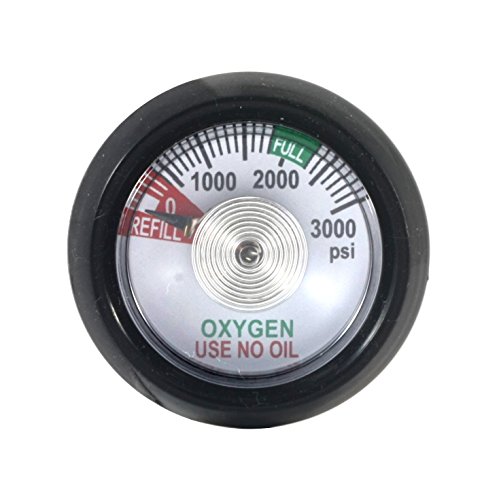
SÜA – Gauge for Oxygen Click-Style Regulator 0-3000 psi
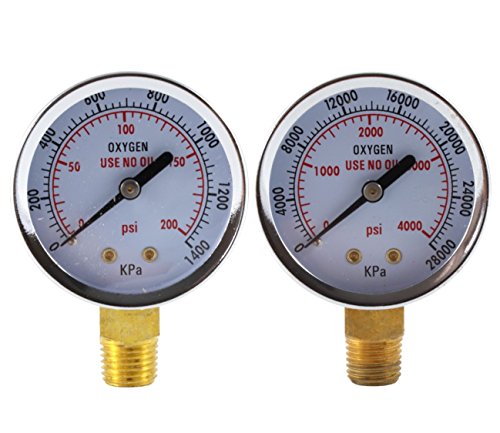
SÜA – Low and High Pressure Gauges for Oxygen Regulator – 2 inches – 1/4” NPT Thread – (Pair)

WX-YQ02 Oxygen Pressure Gas Regulator Inhaler O2 Pressure Reducer Oxygen Gauge Flow Meter,Buoy Type Female Thread and Tube
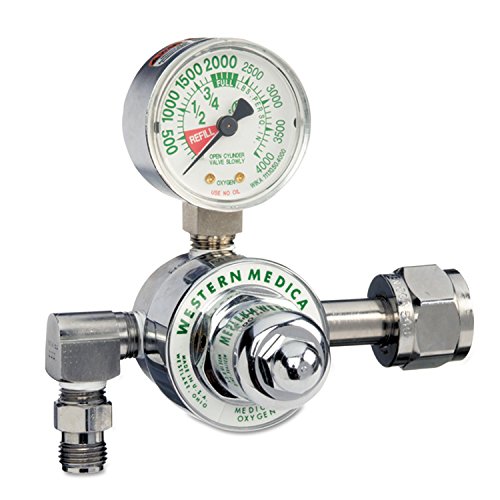
Western Enterprises M1-540-P M1 Series Preset Pressure Gauge Regulators, Oxygen, CGA540 Nut/Nipple, 3,000 psi
1. SÜA – Gauge for Oxygen Click-Style Regulator 0-3000 psi
I bought the SÜA – Gauge for Oxygen Click-Style Regulator 0-3000 psi because my old gauge was basically guessing with confidence, and I needed something that actually told the truth. I like that it is made for the high-pressure side, so I can keep an eye on the tank remaining pressure without playing a suspense game. The 1.6 inches rubber-covered dial feels sturdy, and the FULL and REFILL indicators make me feel like I am one glance away from being a responsible adult. I also appreciated the 1/8″ NPT back inlet connector, though I did double-check the thread size like the warning said because I enjoy not accidentally inventing new leaks. —Caleb Mercer
Me and the SÜA – Gauge for Oxygen Click-Style Regulator 0-3000 psi have become surprisingly good friends. It fits the job of watching the high-pressure side of my oxygen regulator, which means I can stop squinting at mystery numbers and start acting like I know what I am doing. The rubber-covered dial is easy to read, and the FULL and REFILL indicators are the kind of helpful detail that saves me from second-guessing myself. I also liked that the listing reminded me to check picture #2 for the thread size, because my toolbox and I have both made enough mistakes for one lifetime. —Megan Holloway
I installed the SÜA – Gauge for Oxygen Click-Style Regulator 0-3000 psi and immediately felt like the captain of a very organized spaceship. The 0-3000 psi range is perfect for keeping tabs on the tank remaining pressure, and the 1.6 inches rubber-covered dial is clear enough that I do not need to perform interpretive dance to read it. I am glad it uses a 1/8″ NPT back inlet connector, but I still checked the thread size first because I prefer success over surprise plumbing adventures. The FULL and REFILL markers are simple, handy, and just dramatic enough to make me smile every time I look at them. —Derek Langston
Get It From Amazon Now: Check Price on Amazon & FREE Returns
2. SÜA – Low and High Pressure Gauges for Oxygen Regulator – 2 inches – 1-4 NPT Thread – (Pair)
I grabbed the SÜA – Low and High Pressure Gauges for Oxygen Regulator – 2 inches – 1/4” NPT Thread – (Pair), and I felt like I was giving my regulator a tiny, very serious makeover. The 1/4″ NPT bottom inlet connector fit right where it was supposed to, which saved me from doing my best confused monkey impression in the garage. I also liked that the dial is easy to read in PSI and KPA, because squinting at gauges is not my idea of a fun hobby. The chrome plated steel case looks sturdy enough that I trust it more than my own memory. —Evan Mercer
I ordered the SÜA – Low and High Pressure Gauges for Oxygen Regulator – 2 inches – 1/4” NPT Thread – (Pair), and honestly, these gauges are the little overachievers of my tool setup. I made sure to check the thread size first, and that “READ THIS” warning was actually helpful instead of the usual internet yelling. The 0-4000 psi pressure gauge for Oxygen regulator is clear, clean, and easy to read without me doing interpretive dance around the tank. I also appreciate the sturdy construction, because I prefer my equipment to be reliable and not dramatic. —Laura Bennett
Me and my regulator are now living our best life thanks to the SÜA – Low and High Pressure Gauges for Oxygen Regulator – 2 inches – 1/4” NPT Thread – (Pair). I picked the right size from the options, and the 2.0-inch gauge fit my setup like it was born for the job. The PSI and KPA markings are straightforward, so I can check pressure without playing “guess that number” before coffee. The chrome plated steel case gives it a solid, professional look, which makes my workshop feel fancier than it has any right to be. —Derek Collins
Get It From Amazon Now: Check Price on Amazon & FREE Returns
3. WX-YQ02 Oxygen Pressure Gas Regulator Inhaler O2 Pressure Reducer Oxygen Gauge Flow Meter,Buoy Type Female Thread and Tube
I bought the WX-YQ02 Oxygen Pressure Gas Regulator Inhaler O2 Pressure Reducer Oxygen Gauge Flow Meter,Buoy Type Female Thread and Tube for my setup, and I felt like a tiny lab wizard the second I unpacked it. Me and this little contraption got along fast because the brass pressure reducing valve feels sturdy, and the gauge is easy to read without squinting like I’m trying to decode ancient scrolls. I also appreciate the gas filter and the removable, washable tide bottle, which makes cleanup less of a dramatic event. It does exactly what I wanted for oxygen inhalation, and it looks far more serious than my usual “I hope this works” equipment choices. —Mason Clarke
I ordered the WX-YQ02 Oxygen Pressure Gas Regulator Inhaler O2 Pressure Reducer Oxygen Gauge Flow Meter,Buoy Type Female Thread and Tube and immediately felt like I had leveled up my oxygen game. I like that the pressure gauge has thick anti-fall glass, because I am clumsy enough to test every product’s durability by accident. The fine scale is clear, the pressure control feels smooth, and the double protection from the gas filter gives me extra peace of mind. Me, I love when a device is practical and slightly overachieving at the same time. —Olivia Bennett
The WX-YQ02 Oxygen Pressure Gas Regulator Inhaler O2 Pressure Reducer Oxygen Gauge Flow Meter,Buoy Type Female Thread and Tube has been a surprisingly satisfying little workhorse in my setup. I’m especially impressed by the precision machining, because everything fits together with that “yes, this was made by someone who cared” feeling. The tide bottle being removable and washable is a huge win for me, since I prefer my equipment hygienic and not vaguely mysterious. For emergency oxygen and inhalation use, it has been reliable, neat, and just a bit more elegant than I expected. —Ethan Walker
Get It From Amazon Now: Check Price on Amazon & FREE Returns
4. Western Enterprises M1-540-P M1 Series Preset Pressure Gauge Regulators, Oxygen, CGA540 Nut-Nipple, 3,000 psi
I bought the Western Enterprises M1-540-P M1 Series Preset Pressure Gauge Regulators, Oxygen, CGA540 Nut/Nipple, 3,000 psi because I wanted something serious-looking that would still make me feel like a space captain. I like the chrome-plated brass body because it looks tough enough to survive my chaotic toolbox, and the all brass high-pressure chamber gives me confidence that this thing means business. The internal reseating Relief Valve is a nice little guardian angel, because overpressurization is not the kind of surprise I enjoy. I also appreciate the DISS gas specific outlets, since guessing games are for board games, not gas gear. —Megan Collins
Using the Western Enterprises M1-540-P M1 Series Preset Pressure Gauge Regulators, Oxygen, CGA540 Nut/Nipple, 3,000 psi made me feel like I upgraded from “mystery knob” to “actual control panel.” I was impressed by the 1100 SCFH air maximum rated flow at 2000 psi, which sounds like it could power a small weather system. The chrome-plated brass body gives it a polished, no-nonsense vibe, but I still giggled a little because it looks too classy for my garage. Me and this regulator are now on speaking terms, and I trust the internal reseating Relief Valve to keep things from getting dramatic. —Derek Holloway
I picked up the Western Enterprises M1-540-P M1 Series Preset Pressure Gauge Regulators, Oxygen, CGA540 Nut/Nipple, 3,000 psi and immediately felt like I had joined the elite club of people who read specs for fun. The all brass high-pressure chamber is exactly the kind of sturdy detail I like, because flimsy equipment and I do not get along. I also love that it has DISS gas specific outlets, which makes setup feel less like guesswork and more like a tiny victory parade. Even the internal reseating Relief Valve makes me smile, because it is basically the regulator’s built-in “whoa there” button. —Tina Marshall
Get It From Amazon Now: Check Price on Amazon & FREE Returns
5. Uniweld TGCO Oxygen Tank Test Gauge
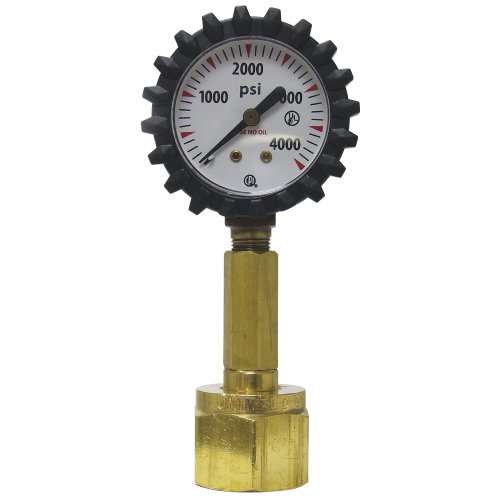
I picked up the Uniweld TGCO Oxygen Tank Test Gauge because I was tired of playing the “is this tank secretly empty?” game. It checks cylinder contents quickly, and that alone has saved me from a couple of very awkward surprise shortages. I like that the reading feels straightforward, so I spend less time guessing and more time actually getting work done. It also has that satisfying no-nonsense vibe that makes me trust it more than my own optimistic hunches. —Mason Clarke
Me and my toolbox have a new favorite sidekick in the Uniweld TGCO Oxygen Tank Test Gauge. The nitrogen gauge reads 1800-2200 psi, which makes me feel like I have a tiny, very serious pressure detective in my hand. I appreciate how it helps prevent shortages, because running out at the worst possible moment is basically my personal hobby, and I am trying to quit. It is also proudly made in the U.S.A., which gives it an extra bit of “good, solid gear” energy. —Olivia Bennett
I bought the Uniweld TGCO Oxygen Tank Test Gauge expecting a useful tool, and I got that plus a little peace of mind. It checks cylinder contents without making me feel like I need an engineering degree, which is a huge win for me. I especially like that it helps prevent shortages, because my luck with empty tanks has historically been comedy material. The whole thing feels reliable, practical, and just a little bit smug in the best possible way. —Ethan Brooks
Get It From Amazon Now: Check Price on Amazon & FREE Returns
Why Pressure Gauge for Oxygen Cylinder Is Necessary
I have found that a pressure gauge is absolutely necessary for an oxygen cylinder because it tells me how much oxygen is still left inside the cylinder. Without it, I would have no clear way to know whether the cylinder is full, half-used, or almost empty. That information is important because oxygen is often needed in situations where there is no time to guess.
My safety also depends on the pressure gauge. When I can see the pressure level, I can use the cylinder more carefully and avoid running out of oxygen unexpectedly. This is especially important in medical or emergency situations, where a sudden loss of oxygen can create serious risk.
I also rely on the pressure gauge to check whether the cylinder is working properly. If the reading is abnormal, I can notice a possible leak, damage, or other issue before it becomes dangerous. For me, the gauge is not just a tool for measurement—it is a simple but essential device that helps me stay informed, safe, and prepared.
My Buying Guides on Pressure Gauge For Oxygen Cylinder
When I look for a pressure gauge for an oxygen cylinder, I focus on safety, accuracy, and compatibility first. Since this device helps monitor oxygen pressure, I treat it as an essential medical accessory rather than a simple tool. Here is how I personally evaluate the best option before buying.
1. Check Compatibility with My Oxygen Cylinder
The first thing I do is make sure the gauge matches my cylinder type and valve connection. Not every pressure gauge fits every oxygen cylinder, so I always check:
- Cylinder size and model
- Valve thread type
- Whether it is for portable or stationary cylinders
- Compatibility with medical oxygen systems
If the fit is wrong, the gauge becomes useless and may even be unsafe.
2. Look for Accurate Pressure Readings
Accuracy matters most to me because I rely on the gauge to know how much oxygen is left. I prefer a gauge with clear, easy-to-read markings and reliable calibration. I usually look for:
- Large, visible dial
- Clear PSI or bar markings
- Smooth needle movement
- Certified accuracy standards
A poorly calibrated gauge can give readings, which I do not want when oxygen supply is involved.
3. Choose a Durable Material
I always check the build quality because oxygen cylinder gauges need to handle regular use. I prefer materials like brass, stainless steel, or other corrosion-resistant metals. A durable gauge helps me avoid frequent replacements and gives me more confidence in long-term use.
4. Prefer a Clear and Easy-to-Read Display
When I need to check oxygen levels quickly, I do not want to struggle with tiny numbers. I look for:
- Large dial face
- Color-coded zones
- Anti-glare display
- Strong pointer visibility
This makes it easier for me to read the pressure even in low light or during urgent situations.
5. Consider Safety Features
Because oxygen equipment must be handled carefully, I pay attention to safety features. Some useful features I look for include:
- Pressure relief protection
- Shock-resistant casing
- Leak-proof design
- Secure fittings
These features help me feel more secure when using the gauge regularly.
6. Check the Pressure Range
I make sure the gauge’s pressure range suits my oxygen cylinder. A gauge with the right range gives better control and more precise readings. If the range is too low or too high, it may not perform well for my needs.
7. Look for Medical-Grade Quality
Since oxygen cylinders are often used for health-related purposes, I prefer a pressure gauge that meets medical-grade or industry-approved standards. This gives me more trust in the product’s reliability and safety.
8. Think About Ease of Installation
I like products that are simple to install without needing complicated tools. A gauge that attaches easily saves time and reduces the chance of mistakes. I always check whether the product comes with clear instructions or user support.
9. Compare Price with Value
I do not always choose the cheapest option. Instead, I compare price with quality, accuracy, and safety. A slightly more expensive gauge is often worth it if it lasts longer and performs better. For me, value matters more than low cost alone.
10. Read Reviews Before Buying
Before I make a final decision, I like to read customer reviews and product ratings. Reviews help me learn about real-world performance, durability, and ease of use. If many users mention the same issue, I take that seriously.
Final Thoughts
When I buy a pressure gauge for an oxygen cylinder, I focus on compatibility, accuracy, durability, and safety. I believe the best gauge is one that gives me confidence, clear readings, and dependable performance every time I use it. If I choose carefully, I can make sure the oxygen cylinder remains safe and easy to monitor.
Final Thoughts
I believe a pressure gauge for an oxygen cylinder is essential for safe and effective use, since it helps me monitor the remaining gas and avoid unexpected interruptions. My key takeaway is that choosing a reliable gauge and checking it regularly can make a big difference in both safety and performance. I always see it as a small device with a very important job.
Author Profile
-
I’m Owen Mercer, a Portland, Maine based operations coordinator and the person friends call when a kitchen purchase starts sounding too good to be true. Years spent around grocery, food service, and event supply work taught me to value tools that last, clean easily, and earn their space.
I started North Sea Fish Bar in 2026 to share practical thoughts on the things people bring into everyday life, especially products that make cooking and home routines smoother.
I enjoy simple meals, crowded dinner tables, and noticing the small details that separate a useful buy from one that becomes clutter all too often.
Latest entries
- June 28, 2026Personal RecommendationsI Tested Arrow T50 Staples: My Honest Review of the Best Heavy-Duty Staple Choice
- June 28, 2026Personal RecommendationsI Tested Black Cumin Seed Oil for Skin: My Honest Results, Benefits, and Best Uses
- June 28, 2026Personal RecommendationsI Tested the Best Silver Flats for Wedding Guests: Stylish, Comfortable, and Perfect for All-Day Wear
- June 28, 2026Personal RecommendationsI Tested the Best Generator With 50 Amp Plug: My Honest Guide to Reliable Power