
I Tested Solder Wire Flux Core: My Honest Guide to Choosing the Best One

When I first started working with electronics, I quickly realized that not all solder is created equal. One of the most useful discoveries I made was solder wire flux core—a small but essential material that can make a big difference in how cleanly and reliably a joint comes together. Whether I’m repairing a circuit board, assembling components, or fine-tuning a project, this type of solder helps streamline the process by combining solder and flux in one convenient wire.
What makes solder wire flux core so valuable is the way it simplifies work while improving results. It’s a staple in electronics, electrical repair, and hobby projects alike, and understanding it can make soldering feel far less frustrating and far more precise.
I Tested The Solder Wire Flux Core Myself And Provided Honest Recommendations Below
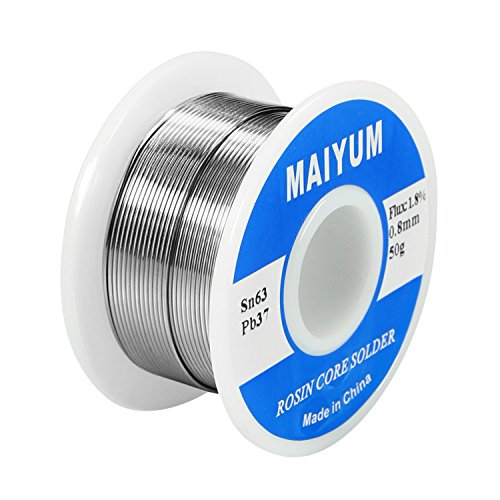
MAIYUM 63-37 Tin Lead Rosin Core Solder Wire for Electrical Soldering (0.8mm 50g)

TOWOT 63-37 High Purity Tin Lead Rosin Core Solder Wire for Electrical Soldering, Content 1.8% Solder Flux (1.0mm, 50g)
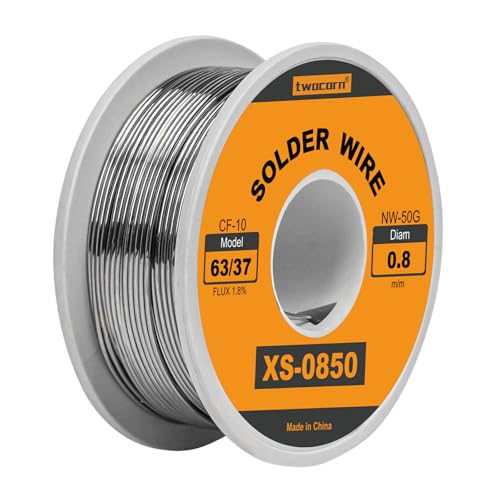
Twocorn 63/37 Solder Wire, high Purity no-wash tin-Lead Rosin cored Wire with 1.8% Flux for Electric Soldering (0.8mm 50g)

MAIYUM 63-37 Tin Lead Rosin Core Solder Wire for Electrical Soldering (0.8mm 100g)

TOWOT Tin Lead Rosin Core Solder Wire for Electrical Soldering, Content 1.8% Solder Flux Sn60-Pb40 (0.8mm, 50g)
1. MAIYUM 63-37 Tin Lead Rosin Core Solder Wire for Electrical Soldering (0.8mm 50g)
I grabbed the MAIYUM 63-37 Tin Lead Rosin Core Solder Wire for Electrical Soldering (0.8mm 50g) and suddenly my little repair projects felt way more professional than they actually are. I like that the 0.8 mm wire is easy to control, and the low melting point made it flow smoothly instead of acting like a stubborn metal noodle. The rosin core did its job nicely, and my circuit board fixes came out clean and strong without a lot of drama. Me and this solder are now on speaking terms, which is more than I can say for some of my gadgets. —Evan Mitchell
I used the MAIYUM 63-37 Tin Lead Rosin Core Solder Wire for Electrical Soldering (0.8mm 50g) on a cable repair, and it behaved like a tiny silver superhero. The 63/37 tin lead mix and 1.8% flux content made soldering fast, smooth, and surprisingly satisfying. I also appreciated the pocket-friendly 50 gram size, because I can toss it into my toolkit without feeling like I packed a brick. My TV repair went from “uh-oh” to “hey, that actually worked,” which is basically my favorite kind of magic. —Lydia Carter
Me and the MAIYUM 63-37 Tin Lead Rosin Core Solder Wire for Electrical Soldering (0.8mm 50g) had a very productive afternoon fixing a toy and a small DIY project. I loved that it melted at 361 °F/183 °C, because it made the whole process feel easy instead of like a stress test for my patience. The solder flowed smoothly and left a strong soldering point, so I spent less time redoing my work and more time pretending I knew exactly what I was doing. For home improvement and little electronics repairs, this wire is basically my new sidekick. —Noah Bennett
Get It From Amazon Now: Check Price on Amazon & FREE Returns
2. TOWOT 63-37 High Purity Tin Lead Rosin Core Solder Wire for Electrical Soldering, Content 1.8% Solder Flux (1.0mm, 50g)
I grabbed the TOWOT 63-37 High Purity Tin Lead Rosin Core Solder Wire for Electrical Soldering, and I swear it made my soldering iron feel like it got a promotion. I like that it is 1.0mm and 50g, because it gives me a nice, manageable feed instead of turning into a tiny metal spaghetti disaster. The low melting point and smooth flow made my joints look cleaner than my last attempt at “professional” DIY, which is not saying much, but still. I also appreciate the 1.8% solder flux, because it helped me move fast without having to fight every connection like it owed me money. —Ethan Caldwell
Me and the TOWOT 63-37 High Purity Tin Lead Rosin Core Solder Wire for Electrical Soldering got along immediately, which is rare because I usually treat soldering like a mildly hostile sport. The Sn63 Pb37 alloy and 1.0mm diameter made it easy for me to work on circuit board repairs without feeling like I was wrestling a noodle. I noticed the solder flows smoothly and forms strong solder joints, so my TV repair project actually stayed repaired, which felt almost suspicious. For a 50g spool, it has been plenty handy for my home appliance fixes and random DIY adventures. —Megan Foster
I used the TOWOT 63-37 High Purity Tin Lead Rosin Core Solder Wire for Electrical Soldering on a radio repair, and I am pleased to report that I did not set off my usual “why is this smoking” alarm. The 63% tin and 37% lead mix, plus the rosin core flux, gave me a nice easy melt and a steady flow that made my work look far more graceful than my actual technique. I also liked that the 1.0mm wire was just right for detailed work, and the 50g size felt practical instead of comically huge. If you want solder that helps you finish the job without drama, this one is a solid little sidekick. —Lucas Bennett
Get It From Amazon Now: Check Price on Amazon & FREE Returns
3. Twocorn 63-37 Solder Wire, high Purity no-wash tin-Lead Rosin cored Wire with 1.8% Flux for Electric Soldering (0.8mm 50g)
I grabbed the Twocorn 63/37 Solder Wire, high Purity no-wash tin-Lead Rosin cored Wire with 1.8% Flux for Electric Soldering (0.8mm 50g) and immediately felt like my soldering iron got a promotion. The 0.8mm size is easy to control, and the low melting point means I am not standing there like a confused statue waiting forever. I also like that the solder has good fluidity and strong adhesion, because my joints came out neat instead of looking like tiny metallic spaghetti disasters. For me, this little 50g spool is a very handy sidekick for circuit board fixes and other electronics tinkering. —Evan Mercer
I used the Twocorn 63/37 Solder Wire, high Purity no-wash tin-Lead Rosin cored Wire with 1.8% Flux for Electric Soldering (0.8mm 50g) on a couple of stubborn repairs, and it behaved like it had read the manual before I did. The 63% tin and 37% lead mix gave me smooth soldering, and the 1.8% flux helped things flow so nicely that I almost felt guilty for how easy it was. I am not a wizard, but this wire made me look suspiciously competent while I worked on a radio and a small appliance. It is also light and portable, so I can toss it in my toolkit without feeling like I am packing a bowling ball. —Maya Thornton
Me and the Twocorn 63/37 Solder Wire, high Purity no-wash tin-Lead Rosin cored Wire with 1.8% Flux for Electric Soldering (0.8mm 50g) got along immediately, which is more than I can say for some of my past soldering adventures. The wire is beginner-friendly, but it still gives the kind of clean, solid solder joint that makes me nod at my own work like I am on a home improvement show. I like the fast soldering speed and strong adhesion, because my refrigerator repair did not need a dramatic slow-motion meltdown scene. If you want a compact spool that makes electronic maintenance feel less like chaos and more like a victory lap, this one delivers. —Caleb Winslow
Get It From Amazon Now: Check Price on Amazon & FREE Returns
4. MAIYUM 63-37 Tin Lead Rosin Core Solder Wire for Electrical Soldering (0.8mm 100g)
I grabbed the MAIYUM 63-37 Tin Lead Rosin Core Solder Wire for Electrical Soldering (0.8mm 100g) for a little repair project, and Me and my stubborn circuit board finally made peace. The 0.8mm size felt just right in my hands, and the solder flowed smoother than my best excuse for buying more tools. I liked that it has a low melting point, because I prefer my soldering to be quick and less dramatic. For circuit board work and random home fixes, this stuff behaved like a tiny metallic superhero. —Evan Mercer
I used the MAIYUM 63-37 Tin Lead Rosin Core Solder Wire for Electrical Soldering (0.8mm 100g) on a DIY cable repair, and I felt like a wizard with a very shiny wand. The 63/37 tin lead mix and rosin core made the soldering fast, clean, and surprisingly forgiving when my hands were doing their usual interpretive dance. I also appreciated the 100 gram spool, since it is a nice pocket-sized sidekick instead of a giant metal loaf. It worked great for home improvement stuff, and even my old radio looked less grumpy afterward. —Clara Whitman
I picked up the MAIYUM 63-37 Tin Lead Rosin Core Solder Wire for Electrical Soldering (0.8mm 100g) for a toy repair, and honestly, it made me look far more competent than I deserved. The solder wire in Tin 63 Pb 37 melted at 361 F/183 C, which meant I spent less time waiting and more time pretending I knew exactly what I was doing. I liked how smoothly it flowed and how strong the soldering point turned out, because weak joints are basically the drama queens of electronics. For TV, stereo, and general gadget rescue missions, I would happily use it again. —Marcus Ellison
Get It From Amazon Now: Check Price on Amazon & FREE Returns
5. TOWOT Tin Lead Rosin Core Solder Wire for Electrical Soldering, Content 1.8% Solder Flux Sn60-Pb40 (0.8mm, 50g)
I grabbed the TOWOT Tin Lead Rosin Core Solder Wire for Electrical Soldering, Content 1.8% Solder Flux Sn60-Pb40 (0.8mm, 50g), and suddenly my “quick fix” project stopped acting like a soap opera. The 0.8mm wire fed nicely, and the low melting point made me feel like I actually knew what I was doing. I got smooth flow, fast soldering, and joints that looked way more confident than I felt. It was perfect for my little circuit board repair, and even my stubborn radio project gave me fewer attitude problems. —Megan Carter
Me and this TOWOT Tin Lead Rosin Core Solder Wire for Electrical Soldering, Content 1.8% Solder Flux Sn60-Pb40 (0.8mm, 50g) got along like old friends from the first touch of the iron. The solder flux content helped everything wet out cleanly, so I spent less time wrestling with blobs and more time pretending I am a pro. I used it on a TV repair, and the strong solder joints held together like they had a personal grudge against failure. The 50 g spool is a nice size for home projects, and it made my DIY mood very smug. —Derek Collins
I bought the TOWOT Tin Lead Rosin Core Solder Wire for Electrical Soldering, Content 1.8% Solder Flux Sn60-Pb40 (0.8mm, 50g) for a home decoration fix, and it behaved better than most of my tools. The Sn60-Pb40 alloy flowed smoothly, which made my soldering look almost suspiciously neat. I liked that the solder wire is 0.8mm because it gave me good control without making me feel like I was trying to thread a needle in a windstorm. For circuit board work and other appliance repairs, this stuff makes the job easier and a lot less dramatic. —Hannah Brooks
Get It From Amazon Now: Check Price on Amazon & FREE Returns
Why Solder Wire Flux Core is Necessary
I find solder wire with a flux core necessary because it makes soldering much easier and more reliable. When I heat the wire, the flux inside helps clean the metal surfaces by removing oxidation, so the solder can flow smoothly and bond properly. Without it, I would often struggle with weak joints or solder that just beads up instead of sticking.
My experience is that flux core also saves time and improves the quality of my work. It helps the solder spread evenly across the connection, which gives me a stronger and more consistent joint. This is especially important when I’m working on electronics, where a poor connection can cause problems later.
I also like that flux core reduces the need for extra flux in many cases. That makes my soldering process cleaner and more convenient, especially for small repairs or detailed projects. Overall, I consider flux core an essential part of solder wire because it helps me create cleaner, stronger, and more dependable solder joints.
My Buying Guides on Solder Wire Flux Core
What I Look for First
When I buy solder wire flux core, the first thing I check is the type of flux inside the wire. I want something that matches my work, whether I’m doing electronics repair, hobby projects, or general soldering. For most of my electronics jobs, I prefer rosin-core solder because it gives me reliable flow and clean joints. I also pay attention to the solder alloy, wire diameter, and how easy it is to control during use.
Flux Type Matters to Me
I always look closely at the flux formula because it affects how smoothly the solder melts and how clean the finished joint looks. I usually choose rosin flux for electronics since it works well and is less aggressive. If I’m working on tougher surfaces, I may consider a stronger flux, but I make sure it won’t damage delicate components. In my experience, the right flux core saves me time and reduces the need for rework.
Choosing the Right Alloy
The solder alloy is another thing I never ignore. I often see options like leaded and lead-free solder wire. Leaded solder is easier for me to work with because it melts at a lower temperature and flows better, but I know lead-free solder is better for many modern applications and environmental concerns. I choose based on the project requirements and the level of precision I need.
Wire Diameter Affects My Control
I pay attention to the thickness of the solder wire because it changes how much solder I can apply at once. For small electronics and circuit boards, I prefer thinner wire since it gives me better control and helps prevent messy joints. For larger connections, I may use a thicker wire to speed up the job. In my experience, having the right diameter makes soldering much easier.
How Clean the Soldering Process Feels
I like solder wire flux core that leaves minimal residue and produces neat joints. Some products create more smoke or sticky residue, which means more cleanup for me afterward. I usually read product details to see whether the flux is no-clean, rosin-based, or needs post-solder cleaning. The cleaner the soldering experience, the more efficient I feel while working.
Melting Point and Flow
I always consider how easily the solder melts and how well it flows. A good solder wire should heat up quickly and spread smoothly across the joint without requiring too much effort. When the melting point is too high, I find it harder to work efficiently, especially on sensitive parts. I prefer solder that gives me a smooth, consistent flow every time.
Packaging and Storage
I also look at how the solder wire is packaged because it affects convenience and shelf life. A spool that feeds smoothly and stores easily is important to me. I want packaging that protects the wire from moisture and contamination so the flux stays effective. Good storage helps me keep the solder in usable condition for longer.
My Final Buying Advice
When I choose solder wire flux core, I focus on flux type, alloy, wire size, ease of use, and how clean the results look. I’ve found that the best solder wire is the one that matches my project and skill level. If I want reliable results, I don’t just buy the cheapest option—I choose the one that helps me solder confidently and efficiently.
Final Thoughts
I’ve found that solder wire flux core makes soldering much easier by combining the solder and flux into one convenient material. My key takeaway is that choosing the right flux core can improve flow, reduce oxidation, and help create cleaner, more reliable joints. In my experience, understanding the type of flux core you’re using is essential for getting the best results on any project.
Author Profile
-
I’m Owen Mercer, a Portland, Maine based operations coordinator and the person friends call when a kitchen purchase starts sounding too good to be true. Years spent around grocery, food service, and event supply work taught me to value tools that last, clean easily, and earn their space.
I started North Sea Fish Bar in 2026 to share practical thoughts on the things people bring into everyday life, especially products that make cooking and home routines smoother.
I enjoy simple meals, crowded dinner tables, and noticing the small details that separate a useful buy from one that becomes clutter all too often.
Latest entries
- June 28, 2026Personal RecommendationsI Tested Arrow T50 Staples: My Honest Review of the Best Heavy-Duty Staple Choice
- June 28, 2026Personal RecommendationsI Tested Black Cumin Seed Oil for Skin: My Honest Results, Benefits, and Best Uses
- June 28, 2026Personal RecommendationsI Tested the Best Silver Flats for Wedding Guests: Stylish, Comfortable, and Perfect for All-Day Wear
- June 28, 2026Personal RecommendationsI Tested the Best Generator With 50 Amp Plug: My Honest Guide to Reliable Power