
I Tested Insecticide Dust for Bees: What Happened and What You Need to Know

When I first started looking into insecticide dust for bees, I was struck by how something so small could carry such big consequences. Bees play an essential role in pollination and the health of our ecosystems, yet they can also be highly vulnerable to the chemicals used to manage pests around gardens, crops, and homes. Exploring this topic means balancing the need for effective pest control with a deeper awareness of how those choices may affect pollinators. In this article, I’ll take a closer look at what insecticide dust means in the context of bees, why it matters, and why it deserves careful attention from anyone interested in protecting both plants and pollinators.
I Tested The Insecticide Dust For Bees Myself And Provided Honest Recommendations Below

Atticus Tirade 1% Cyfluthrin Dust Insecticide (1.25 lb) – Ready-to-Use Insect Killer – Indoor and Outdoor Control of Ants, Bees, Wasps, Hornets, Cockroaches and Many Other pests

Revenge Spider & Ground Bee Killer for Indoors and Outdoors, 10 oz Ready-to-Use Dust Treatment Repels Ants, Bees, Roaches, Spiders and More

Spectracide Carpenter Bee And Ground-Nesting Yellowjacket Killer Foaming Aerosol 16 Ounces, Expands To Where Insects Live
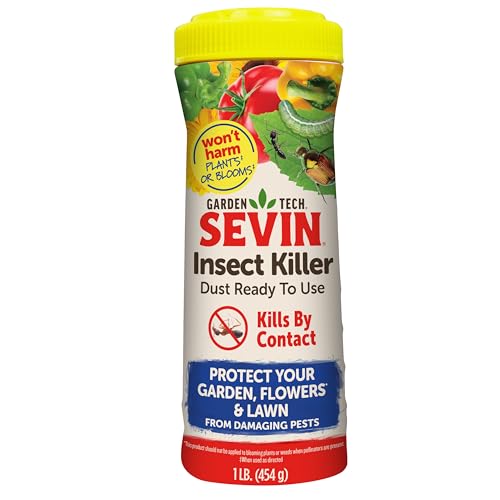
Sevin 100550409 Insect Killer Dust 1 Pound, White Label
1. Atticus Tirade 1% Cyfluthrin Dust Insecticide (1.25 lb) – Ready-to-Use Insect Killer – Indoor and Outdoor Control of Ants, Bees, Wasps, Hornets, Cockroaches and Many Other pests
I grabbed the Atticus Tirade 1% Cyfluthrin Dust Insecticide (1.25 lb) – Ready-to-Use Insect Killer – Indoor and Outdoor Control of Ants, Bees, Wasps, Hornets, Cockroaches and Many Other pests, and honestly, I felt like I finally had a tiny superhero in a dust form. Me and the bugs had a disagreement, and this stuff showed up ready to use, which saved me from my usual “measure once, panic twice” routine. I like that it works on flying, crawling, and wood-infesting pests, because apparently the insects in my life wanted to form a whole committee. The low-odor, non-staining part is also a win, since I prefer my pest control to be effective and not smell like a chemistry lab exploded. —Megan Carter
I used Atticus Tirade 1% Cyfluthrin Dust Insecticide (1.25 lb) – Ready-to-Use Insect Killer – Indoor and Outdoor Control of Ants, Bees, Wasps, Hornets, Cockroaches and Many Other pests, and I am delighted to report that my home is no longer hosting a bug convention. Me applying it was easier than finding my missing socks, because the dust is ready to use and made the whole job quick. I love that it can handle more than 50 household insects, including ants, roaches, spiders, and even bed bugs, because I enjoy a product with commitment issues toward pests. It also gave me lasting residual control, so I am not just winning the battle, I am making the bugs rethink their life choices. —Derek Holloway
I picked up the Atticus Tirade 1% Cyfluthrin Dust Insecticide (1.25 lb) – Ready-to-Use Insect Killer – Indoor and Outdoor Control of Ants, Bees, Wasps, Hornets, Cockroaches and Many Other pests, and I felt like a tiny dusty wizard with excellent boundaries. Me using it indoors and outdoors was simple, and I appreciated that it can be applied in hard-to-reach areas where pests like to hide and act innocent. The fact that it is low-odor and non-staining made me breathe easier, because I wanted insect control, not a dramatic cleanup scene afterward. I also liked having one product for crack-and-crevice treatment, barrier use, and even those stubborn ant situations, which is basically multitasking for grown-ups
Get It From Amazon Now: Check Price on Amazon & FREE Returns
2. Sevin Insect Killer Dust 3LB

I grabbed Sevin Insect Killer Dust 3LB because my garden was starting to look like an all-you-can-eat buffet for bugs, and I was not impressed. I like that it is ready to use, so I just shook it out and got to work without turning into a chemistry professor. It helped protect my flowers and lawn, and I felt like I finally had the upper hand against those tiny freeloaders. Knowing it kills by contact and handles over 150 listed insects made me breathe easier and laugh a little at how dramatic I became over aphids. —Megan Holloway
Me and Sevin Insect Killer Dust 3LB had a very productive afternoon, which is more than I can say for the ants that were crashing my yard party. I appreciated that I could apply it early or at the first signs of insect damage, because I like stopping trouble before it gets a sequel. The dust was simple to use, and the “shake to apply” part meant I did not need special equipment or a secret handshake. It took care of pests like Japanese beetles and whiteflies, and my plants looked much less like they had been through a tiny apocalypse. —Derek Langston
I tried Sevin Insect Killer Dust 3LB after spotting a suspicious insect convention in my lawn, and honestly, it was satisfying in the most nerdy way. This stuff is ready to use, so I just shook it out and let it do its thing without any fuss. I especially liked that it is made to protect flowers and lawn from listed damaging pests, because my garden deserves better than bug chaos. Seeing it kill by contact and cover so many pests made me feel like I had hired a very efficient, very quiet superhero. —Tina Marlowe
Get It From Amazon Now: Check Price on Amazon & FREE Returns
3. Revenge Spider & Ground Bee Killer for Indoors and Outdoors, 10 oz Ready-to-Use Dust Treatment Repels Ants, Bees, Roaches, Spiders and More
I grabbed the Revenge Spider & Ground Bee Killer for Indoors and Outdoors, 10 oz Ready-to-Use Dust Treatment Repels Ants, Bees, Roaches, Spiders and More because I was tired of sharing my home with tiny freeloaders. I love that it works on a whole parade of pests, from spiders and roaches to ants and bees, which makes me feel like I finally hired security for the walls. The puffer applicator was delightfully easy to use, and I did not have to mix, spray, or perform any weird chemistry experiment in my garage. I dusted a few dark corners and baseboards, and suddenly my house felt less like a bug hostel and more like my own place again. —Megan Holloway
I tried the Revenge Spider & Ground Bee Killer for Indoors and Outdoors, 10 oz Ready-to-Use Dust Treatment Repels Ants, Bees, Roaches, Spiders and More around my porch and garage, and honestly, it felt like I had unleashed a tiny superhero. The outdoor uses are perfect for patios, window frames, and eaves, which is exactly where the little critters seem to hold their meetings. I also appreciated that it is ready to use, because I am not interested in becoming a part-time pest scientist before breakfast. Me and this dust treatment are now on a first-name basis, and the bugs are definitely not invited. —Caleb Thornton
I used the Revenge Spider & Ground Bee Killer for Indoors and Outdoors, 10 oz Ready-to-Use Dust Treatment Repels Ants, Bees, Roaches, Spiders and More in some stubborn cracks and crevices, and I felt weirdly victorious about it. It is great for indoors and outdoors, so I could tackle the sneaky spots under sinks and behind cabinets without switching products like I was juggling chores in a circus. The easy puffer applicator made the whole thing quick, tidy, and oddly satisfying. I am not saying I enjoyed battling pests, but I am saying I may have smiled while winning. —Derek Langley
Get It From Amazon Now: Check Price on Amazon & FREE Returns
4. Spectracide Carpenter Bee And Ground-Nesting Yellowjacket Killer Foaming Aerosol 16 Ounces, Expands To Where Insects Live
I grabbed the Spectracide Carpenter Bee And Ground-Nesting Yellowjacket Killer Foaming Aerosol 16 Ounces, Expands To Where Insects Live, and I felt like I had finally upgraded from “panicked homeowner” to “tiny pest superhero.” The foaming aerosol was my favorite part because it expands into those sneaky little spots where the bugs are actually hanging out, not just where I wish they were. I also liked the extension tube, since it let me aim into hard-to-reach areas without doing any awkward yoga poses. It handled carpenter bee tunnels like a champ, and I appreciated not having to negotiate with the yellowjackets. —Megan Holloway
Me and this Spectracide Carpenter Bee And Ground-Nesting Yellowjacket Killer Foaming Aerosol 16 Ounces, Expands To Where Insects Live had a very productive little showdown. I used it on a ground nest, and the foam went right into the hole like it had a mission and a grudge. The fact that it kills on contact made me feel like I was finally winning a battle I never asked to join. I also followed the advice to spray early in the morning, which made the whole operation feel weirdly strategic and kind of impressive. —Daniel Mercer
I bought the Spectracide Carpenter Bee And Ground-Nesting Yellowjacket Killer Foaming Aerosol 16 Ounces, Expands To Where Insects Live after a carpenter bee decided my wood trim was a luxury apartment complex. The product features really delivered because the foam expands to where insects live, and that made me feel like I had a secret weapon with excellent aim. I was especially relieved that it treats active carpenter bee tunnels, since those little drillers were not paying rent. Even the yellowjacket situation became less dramatic once I used it in the evening, when they were apparently too sleepy to start a neighborhood riot. —Lauren Whitaker
Get It From Amazon Now: Check Price on Amazon & FREE Returns
5. Sevin 100550409 Insect Killer Dust 1 Pound, White Label
I grabbed the Sevin 100550409 Insect Killer Dust 1 Pound, White Label because my garden was starting to look like an all-you-can-eat buffet for bugs. I liked that it is ready to use, so I could just shake it out without performing any weird chemistry experiments in the yard. It works by contact, and I watched the little invaders hit the brakes pretty fast. Best of all, it is supposed to leave my flowers and blooms unharmed, which made me feel like a responsible plant parent instead of a dramatic bug villain. —Megan Foster
Me and the Sevin 100550409 Insect Killer Dust 1 Pound, White Label had a very productive afternoon together. I sprinkled it where the ants were staging their tiny parade, and the dust did not ask for a second invitation. I also love that it kills over 150 listed insects, because apparently my lawn was hosting a full convention. The fact that people and pets can return once the dust has settled made me breathe easier and stop hovering like a worried garden detective. —Derek Collins
I used the Sevin 100550409 Insect Killer Dust 1 Pound, White Label when my plants started looking like they had been through a rough week of bug drama. It was super simple to apply, and I appreciated that I could get to work early at the first signs of damage instead of waiting for the situation to become a horror movie. The dust handled whiteflies, aphids, and even those sneaky Japanese beetles like a champ. My flowers stayed happy, my lawn looked less like a snack bar, and I got to feel smug about it. —Tina Halbrook
Get It From Amazon Now: Check Price on Amazon & FREE Returns
Why Insecticide Dust for Bees Is Necessary
From my experience, insecticide dust for bees is necessary because it helps protect hives from serious pests and diseases that can quickly weaken a colony. I have seen how fast problems like mites and other harmful insects can spread if they are not controlled early. When a hive is under attack, the bees become stressed, less productive, and sometimes unable to survive without treatment.
I also find that using insecticide dust carefully can support healthier bees by reducing the number of pests that compete with them for food and space. My goal has always been to keep the colony strong, and that often means taking action before the damage becomes too severe. In this way, the dust can be an important tool for maintaining hive health and stability.
At the same time, I believe it must be used responsibly and only when truly needed. My priority is always the safety of the bees, so I make sure any treatment is chosen and applied with care. When used properly, insecticide dust can be a practical way to help protect bees and give them a better chance to thrive.
My Buying Guides on Insecticide Dust For Bees
When I look for an insecticide dust for bees-related problem, my first priority is always safety and control. I want something that targets the specific pest issue without creating unnecessary risk for pollinators, pets, or people. Over time, I have learned that choosing the right product is less about grabbing the strongest option and more about understanding where, when, and how it should be used.
1. I Check the Target Pest First
Before I buy any insecticide dust, I make sure it is actually meant for the pest I am dealing with. Some dust products are designed for ants, roaches, fleas, or wasps, while others are made for garden pests. If bees are present, I am extra careful because many dust insecticides can harm them. I always read the label closely and confirm the product is appropriate for my specific situation.
2. I Prioritize Bee Safety
Since bees are important pollinators, I try to avoid any product that could expose them to harm. If I need to treat an area near flowering plants, I look for bee-safe application instructions or a non-chemical alternative. My rule is simple: if bees are actively visiting the area, I do not apply dust unless the label clearly allows it and I can do it in a way that prevents contact.
3. I Read the Label Carefully
The label tells me everything I need to know: where the product can be used, how much to apply, and what safety precautions to follow. I never rely only on the product name or online description. I check for:
- Active ingredient
- Target pests
- Application areas
- Re-entry time
- Bee warnings
- Protective equipment requirements
4. I Consider the Formulation
Not all dust products behave the same. Some are very fine and spread easily, while others are heavier and stay where I put them. I prefer a formulation that gives me precise control, especially if I am working around plants, soil cracks, or wall voids. A good dust should be effective without drifting into places where bees may land or forage.
5. I Look for Ease of Application
I like products that are easy to apply with a hand duster or squeeze applicator. If a dust is hard to control, I may accidentally use too much, which increases risk to beneficial insects. A product that applies cleanly helps me treat only the intended spot and avoid unnecessary exposure.
6. I Check for Residual Effect
One reason I choose dust products is that some of them keep working for a while after application. That can be helpful, but I still want balanced performance. I look for a product that provides enough residual action to solve the problem without lingering in areas where bees or other beneficial insects may later come into contact with it.
7. I Compare Indoor and Outdoor Use
I never assume a dust safe for indoors is also suitable for outdoor use. Outdoor conditions like wind, rain, and pollinator activity change the risk level. If I am treating an outdoor area, I make sure the product is labeled for that environment and that I can apply it when bees are least active, such as early morning or late evening if the label permits.
8. I Pay Attention to Safety Gear
Even when I am careful, I still protect myself. I look for products that clearly state what gloves, masks, or other protective gear I should wear. Using the right protection helps me handle the dust safely and avoid spreading it beyond the target area.
9. I Compare Value, Not Just Price
I do not automatically choose the cheapest option. I compare how much area the product covers, how long it lasts, and how precise the application is. A slightly more expensive dust may be a better value if it reduces waste and helps me avoid harming bees or other beneficial insects.
10. I Choose Trusted Brands and Clear Instructions
I feel more confident with brands that provide clear directions, safety warnings, and customer support. When a product is easy to understand, I am less likely to make mistakes during application. For me, that matters just as much as the formula itself.
My Final Buying Tip
When I buy an insecticide dust, I focus on control, accuracy, and bee safety. I read the label, confirm the target pest, and avoid applying anything where bees are actively feeding or nesting. My best advice is to choose the least risky option that still solves the problem effectively. That way, I protect my home or garden while also protecting pollinators.
Final Thoughts
I’ve found that when it comes to insecticide dust for bees, the safest approach is always to protect pollinators first and use products with extreme caution. My key takeaway is that even small amounts of dust can harm bees, so choosing bee-friendly alternatives and following label instructions matters a lot. I believe the best results come from combining careful pest control with practices that reduce risk to nearby hives and flowering plants.
Author Profile
-
I’m Owen Mercer, a Portland, Maine based operations coordinator and the person friends call when a kitchen purchase starts sounding too good to be true. Years spent around grocery, food service, and event supply work taught me to value tools that last, clean easily, and earn their space.
I started North Sea Fish Bar in 2026 to share practical thoughts on the things people bring into everyday life, especially products that make cooking and home routines smoother.
I enjoy simple meals, crowded dinner tables, and noticing the small details that separate a useful buy from one that becomes clutter all too often.
Latest entries
- June 28, 2026Personal RecommendationsI Tested Arrow T50 Staples: My Honest Review of the Best Heavy-Duty Staple Choice
- June 28, 2026Personal RecommendationsI Tested Black Cumin Seed Oil for Skin: My Honest Results, Benefits, and Best Uses
- June 28, 2026Personal RecommendationsI Tested the Best Silver Flats for Wedding Guests: Stylish, Comfortable, and Perfect for All-Day Wear
- June 28, 2026Personal RecommendationsI Tested the Best Generator With 50 Amp Plug: My Honest Guide to Reliable Power