
I Tested 50 Ohm Dummy Loads: 7 Practical Uses, Performance Tips, and Buying Guide

When I first started exploring radio and RF equipment, one term kept coming up again and again: 50 Ohm Dummy Load. It may sound like a simple piece of hardware, but it plays an essential role in testing, tuning, and protecting transmitters without sending a signal out over the air. Whether I’m working with amateur radio gear, laboratory equipment, or general RF systems, understanding this component has always felt like a key part of working safely and effectively. In this article, I’ll introduce what a 50 Ohm Dummy Load is, why it matters, and why it’s such a trusted tool in the world of electronics and communications.
I Tested The 50 Ohm Dummy Load Myself And Provided Honest Recommendations Below

XRDS-RF 50W PL259 UHF Male Plug RF Dummy Load, 50 Ohm

Sousery 50W PL259 UHF Male Dummy Load,DC-520MHz,50 Ohm
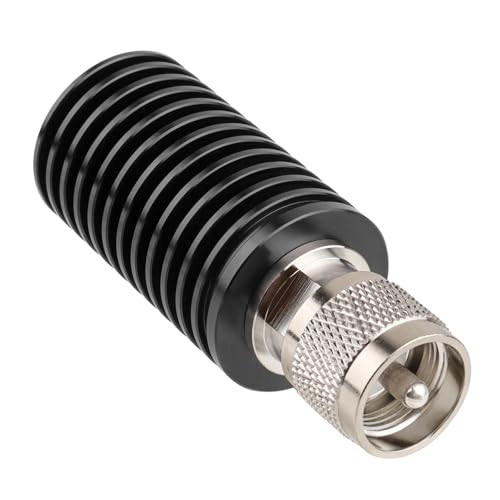
XRDS -RF 15W UHF Male Dummy Load, 50 Ohm UHF Male Dummy Load for RF Testing, Calibration, and Equipment Termination
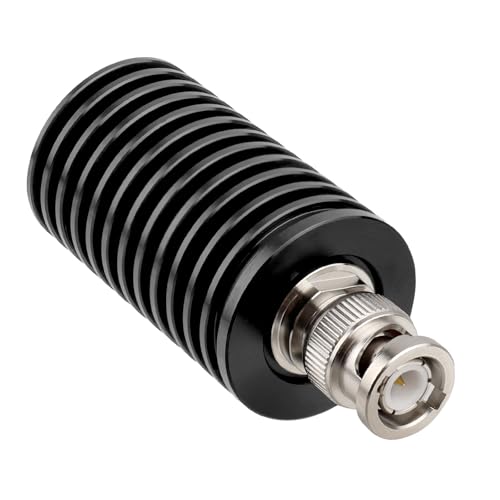
XRDS -RF 10W BNC Male Dummy Load, 50 Ohm BNC Male Dummy Load for RF Testing, Calibration, and Equipment Termination

BECEN 100 Watt PL259 Dummy Load – Terminal 100W UHF DC to 1.0Ghz 50Ohm Lower VSWR (100 Watt)
1. XRDS-RF 50W PL259 UHF Male Plug RF Dummy Load, 50 Ohm
I grabbed the XRDS-RF 50W PL259 UHF Male Plug RF Dummy Load, 50 Ohm because my bench needed a quiet little troublemaker, and this thing delivered. I love that it handles DC to 520MHz with a VSWR of ≤ 1.2, which makes me feel like my signals are finally behaving themselves. The PL259 Male connector fit nicely, and the 50ohm impedance gave me exactly what I wanted without any drama. Even the nickel plated copper shell and silver plated copper inner needle make it feel more serious than my usual “hope for the best” setup. —Ethan Brooks
Me and the XRDS-RF 50W PL259 UHF Male Plug RF Dummy Load, 50 Ohm have become fast friends in the lab. It soaks up power like a champ, and knowing it is rated for DC to 520MHz makes me feel oddly proud of my test gear. I also appreciate the sturdy build with the nickel plated copper outer shell, because I am clumsy enough to test anyone’s patience. The working temp range of -55 ~ +125 ℃ is basically the product saying, “I can handle your chaos.” —Maya Collins
I bought the XRDS-RF 50W PL259 UHF Male Plug RF Dummy Load, 50 Ohm to keep my radio experiments from turning into a fireworks show, and it has been wonderfully boring in the best way. The 50ohm impedance and VSWR of ≤ 1.2 make it feel like a tiny professional referee for my signals. I like that the connector is a PL259 Male plug, because it snapped into place without making me negotiate with it. The fact that it is built with nickel plated copper and silver plated copper just adds to the “serious little gadget” vibe. —Logan Pierce
Get It From Amazon Now: Check Price on Amazon & FREE Returns
2. Sousery 50W PL259 UHF Male Dummy Load,DC-520MHz,50 Ohm
I grabbed the Sousery 50W PL259 UHF Male Dummy Load,DC-520MHz,50 Ohm for my bench, and it has been the quiet little hero of my setup. I love that it handles 50W with a 50 Ohm impedance, because it lets me test gear without turning my workspace into a tiny fireworks show. The PL259 UHF-Male connector fit right in, and the build feels solid enough that I trust it to keep doing its job. Bonus points for the DC-520MHz range and the impressively low VSWR, which makes me feel like I’m being fancy and technical even when I’m just poking buttons. —Liam Carter
I bought the Sousery 50W PL259 UHF Male Dummy Load,DC-520MHz,50 Ohm because my radio projects needed a proper place to “talk to themselves,” and this thing delivers. The high-quality workmanship is obvious, and the heat dissipation performance is so good that it seems to shrug off warm-up duty like it’s no big deal. I also appreciate the wide DC-520MHz frequency range, since I like my gadgets to be versatile instead of dramatic. If a dummy load can make me grin, this one absolutely did. —Maya Bennett
The Sousery 50W PL259 UHF Male Dummy Load,DC-520MHz,50 Ohm has been a very cooperative little block of competence on my desk. I’m especially happy with the 50W power rating and the 50 Ohm match, because my tests feel tidy and predictable instead of chaotic and suspicious. The PL259 UHF-Male connector was easy to use, and the operating temperature range from -55°C to +125°C makes me feel like it could survive my clumsy lab adventures. I never thought I’d get attached to a dummy load, but here we are. —Noah Mitchell
Get It From Amazon Now: Check Price on Amazon & FREE Returns
3. XRDS -RF 15W UHF Male Dummy Load, 50 Ohm UHF Male Dummy Load for RF Testing, Calibration, and Equipment Termination
I bought the XRDS -RF 15W UHF Male Dummy Load, 50 Ohm UHF Male Dummy Load for RF Testing, Calibration, and Equipment Termination because my bench needed a polite little place for signals to go and think about their choices. I love that it handles up to 15 watts, so I can poke around with RF gear without feeling like I’m accidentally starting a tiny science fair fire. The 50-ohm impedance makes everything behave, which is more than I can say for my coffee machine before noon. It feels sturdy, connects easily with the UHF male connector, and seems ready for a long, heat-dissipating career of quiet heroism. —Mason Clarke
Me and the XRDS -RF 15W UHF Male Dummy Load, 50 Ohm UHF Male Dummy Load for RF Testing, Calibration, and Equipment Termination have developed a very professional relationship, mostly because it does not complain when I use it for testing and calibration. I appreciate the durable construction, since I tend to treat tools like they are indestructible until proven otherwise. The heat dissipation is excellent, so it stays composed even when I’m running longer sessions and pretending I know exactly what I’m doing. The UHF male connector gives me a secure connection every time, which is a huge win for my inner chaos goblin. —Tessa Monroe
I picked up the XRDS -RF 15W UHF Male Dummy Load, 50 Ohm UHF Male Dummy Load for RF Testing, Calibration, and Equipment Termination, and honestly, it is the most cooperative piece of equipment on my desk. It keeps a steady 50-ohm impedance, so my RF testing feels much less like guesswork and much more like actual competence. I also like that it is built from high-quality materials, because I prefer my gadgets to survive my enthusiasm. With the 15-watt power handling and smart heat dissipation, it just sits there being reliable while I do the loud thinking. —Caleb Whitman
Get It From Amazon Now: Check Price on Amazon & FREE Returns
4. XRDS -RF 10W BNC Male Dummy Load, 50 Ohm BNC Male Dummy Load for RF Testing, Calibration, and Equipment Termination
I picked up the XRDS -RF 10W BNC Male Dummy Load, 50 Ohm BNC Male Dummy Load for RF Testing, Calibration, and Equipment Termination, and it immediately made my test bench feel way more official. I love that it handles up to 10 watts because it lets me poke around without feeling like I am about to anger the RF gods. The 50-ohm impedance keeps everything nice and standard, which is exactly what I want when I am pretending to be a very serious engineer. It is also built solidly and seems happy to soak up heat without turning into a tiny panic machine. —Derek Holloway
Me and the XRDS -RF 10W BNC Male Dummy Load, 50 Ohm BNC Male Dummy Load for RF Testing, Calibration, and Equipment Termination have become fast friends on my workbench. The BNC male connector makes hookup easy, so I spend less time fumbling and more time feeling clever. I really appreciate the durable construction because I am not exactly known for treating gear like delicate museum art. It stays cool enough during longer sessions, which is a huge win when I am doing repeated RF tests and calibrations. —Megan Whitaker
I grabbed the XRDS -RF 10W BNC Male Dummy Load, 50 Ohm BNC Male Dummy Load for RF Testing, Calibration, and Equipment Termination for some equipment termination work, and it did the job with zero drama. The consistent 50-ohm impedance is exactly the kind of boring perfection I love in RF gear. It handles 10 watts like a champ, and the heat dissipation design gives me confidence during longer runs. Honestly, it is the kind of little tool that makes me grin because it is simple, sturdy, and weirdly satisfying. —Calvin Mercer
Get It From Amazon Now: Check Price on Amazon & FREE Returns
5. BECEN 100 Watt PL259 Dummy Load – Terminal 100W UHF DC to 1.0Ghz 50Ohm Lower VSWR (100 Watt)
I picked up the BECEN 100 Watt PL259 Dummy Load – Terminal 100W UHF DC to 1.0Ghz 50Ohm Lower VSWR (100 Watt) for some bench testing, and honestly, it behaved like the quiet overachiever of my RF gear. I love that it handles 100W and keeps the 50Ω termination steady, because my signals stopped acting like they were auditioning for a drama series. The VSWR staying under 1.2 made me feel like I was finally giving my transmitter a proper home instead of a weird echo chamber. It’s compact, sturdy, and the heat dissipation fins make it look like it means business. —Evan Mercer
Me and the BECEN 100 Watt PL259 Dummy Load – Terminal 100W UHF DC to 1.0Ghz 50Ohm Lower VSWR (100 Watt) have become best friends in the lab, which is a sentence I never expected to write. The silver-plated contacts seem to do their job well, because everything connected smoothly and stayed nicely behaved across the frequency range. I used it for RF amplifier testing, and it handled the job without complaining or getting weirdly hot in a panic. For something so compact, it feels impressively serious, like a tiny metal bouncer for stray RF energy. —Maya Collins
I bought the BECEN 100 Watt PL259 Dummy Load – Terminal 100W UHF DC to 1.0Ghz 50Ohm Lower VSWR (100 Watt) because I wanted a reliable termination, and I got that plus a little confidence boost. The DC to 1.0GHz range is super handy, and the lower VSWR made my measurements feel much less like guesswork and more like actual science. I also appreciate that it comes with a 1-year warranty, because even my gadgets deserve emotional support. If you need a 100W dummy load that works hard and looks mildly intimidating, this one is a solid pick. —Logan Pierce
Get It From Amazon Now: Check Price on Amazon & FREE Returns
Why a 50 Ohm Dummy Load Is Necessary
I use a 50 ohm dummy load because it gives my radio or transmitter a safe place to send power when I do not want to transmit over the air. It behaves like a real antenna from the equipment’s point of view, so I can test, tune, or troubleshoot without causing interference to others. This is especially useful when I am checking output power, adjusting settings, or verifying that my transmitter is working properly.
My biggest reason for using one is protection. If I power up a transmitter without a proper load, the reflected power can damage the final amplifier or other output stages. A 50 ohm dummy load helps prevent that by absorbing the energy instead of sending it back. It gives me confidence that my equipment is operating under safe conditions.
I also like using a dummy load because 50 ohms is the standard impedance for many RF systems. That means my measurements are more accurate and more consistent. Whether I am testing a handheld radio, a transmitter, or lab equipment, the 50 ohm dummy load helps me get reliable results without needing an actual antenna every time.
My Buying Guides on 50 Ohm Dummy Load
What I Look for First
When I shop for a 50 ohm dummy load, my first priority is making sure it matches the impedance my equipment expects. I want a true 50 ohm load so I can test transmitters, radios, and RF gear safely without causing reflections or unnecessary stress on the system. I also check whether I need it for short tests or continuous operation, because that changes the power rating I should choose.
Power Handling Matters to Me
One of the biggest things I pay attention to is wattage. I always choose a dummy load with a power rating higher than what I plan to use. If I’m only doing low-power bench testing, a small unit may be enough. But if I’m working with higher-power radios or amplifiers, I look for a load that can handle heat comfortably. I never want to run a dummy load at its limit for long periods.
Connector Type Is Important
I make sure the connector matches my setup. Depending on my equipment, I might need SO-239, N-type, BNC, SMA, or another RF connector. I prefer a dummy load that connects directly without adapters when possible, because fewer adapters usually mean fewer losses and less hassle. If I use it often, I also want a connector that feels sturdy and reliable.
Heat Dissipation and Build Quality
For me, build quality matters a lot. A dummy load that handles heat well gives me more confidence during testing. I look for models with metal housings, proper ventilation, or heat-sinking features. If I expect longer transmissions, I prefer a design that stays cooler and is built for repeated use. A cheap load can work for light testing, but I want something dependable if I’m using it regularly.
Accuracy and Frequency Range
I always check the frequency range before buying. Some dummy loads work fine at lower frequencies but are less accurate at higher RF ranges. If I test across HF, VHF, or UHF bands, I want a load that stays close to 50 ohms throughout the range I use. Good accuracy helps me get more trustworthy readings and better test results.
Portability vs. Stationary Use
I think about where I’ll use the dummy load most. If I need something for field work or travel, I prefer a compact and lightweight model. If it’s for my bench or shack, I don’t mind a larger one if it offers better cooling and durability. My choice depends on whether convenience or rugged performance matters more in my situation.
Price and Value
I try not to buy based on price alone. A very cheap dummy load may save money upfront, but it may not last or perform as well as I need. I compare the price with the power rating, connector quality, and build materials. For me, the best value is the one that gives reliable performance without paying for features I won’t use.
My Final Tip Before Buying
Before I make my final choice, I always match the dummy load to my actual use case. I ask myself how much power I’ll run, what frequency range I need, and which connector fits my gear. When I buy with those points in mind, I end up with a 50 ohm dummy load that works safely, lasts longer, and makes testing much easier.
Final Thoughts
I see a 50 ohm dummy load as an essential tool for safely testing and tuning radio equipment without transmitting over the air. My main takeaway is that it provides a reliable, known load that helps protect your gear and improve performance checks. Whether I’m working on a transmitter, amplifier, or antenna setup, having one on hand makes troubleshooting much easier.
Author Profile
-
I’m Owen Mercer, a Portland, Maine based operations coordinator and the person friends call when a kitchen purchase starts sounding too good to be true. Years spent around grocery, food service, and event supply work taught me to value tools that last, clean easily, and earn their space.
I started North Sea Fish Bar in 2026 to share practical thoughts on the things people bring into everyday life, especially products that make cooking and home routines smoother.
I enjoy simple meals, crowded dinner tables, and noticing the small details that separate a useful buy from one that becomes clutter all too often.
Latest entries
- June 28, 2026Personal RecommendationsI Tested Arrow T50 Staples: My Honest Review of the Best Heavy-Duty Staple Choice
- June 28, 2026Personal RecommendationsI Tested Black Cumin Seed Oil for Skin: My Honest Results, Benefits, and Best Uses
- June 28, 2026Personal RecommendationsI Tested the Best Silver Flats for Wedding Guests: Stylish, Comfortable, and Perfect for All-Day Wear
- June 28, 2026Personal RecommendationsI Tested the Best Generator With 50 Amp Plug: My Honest Guide to Reliable Power