
I Tested the 30 Amp Ground Fault Circuit Breaker: My Honest Review and Safety Insights

When I first started looking into electrical safety, I quickly realized that some components do far more than simply keep power flowing—they help protect people, property, and peace of mind. One item that stands out is the 30 Amp Ground Fault Circuit Breaker, a device designed to add an important layer of protection in environments where electrical hazards can’t be ignored. Whether I’m thinking about home projects, outdoor equipment, or specialized installations, this kind of breaker represents the balance between reliable performance and critical safety. In this article, I’ll explore why it matters and what makes it such an essential part of modern electrical systems.
I Tested The 30 Amp Ground Fault Circuit Breaker Myself And Provided Honest Recommendations Below

Siemens QF130A Ground Fault Circuit Interrupter, 30 Amp, 1 Pole, 120V, 10,000 AIC

Eaton BRN230GF BR GFCI Circuit Breaker, Ground Fault, Pigtail Neutral, 30 A, 10 KAIC, Two-Pole, 120/240 V
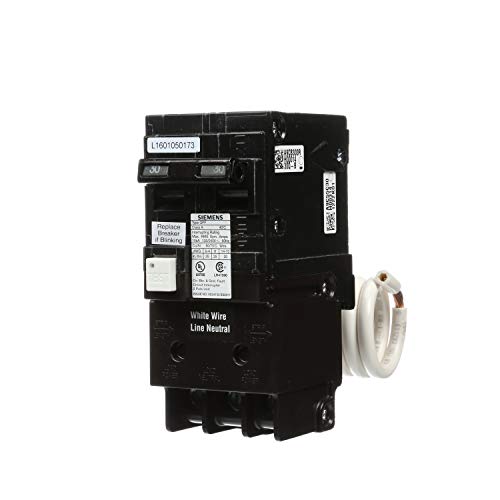
Siemens QF230AP 30 Amp, 2 Pole, 120/240V Ground Fault Circuit Interrupter with Self Test and Lockout Feature

CHN230GF 30 Amp Double Pole GFCI Ground Fault Circuit Breaker, Pigtail Neutral, 240V, 10kAIC, UL Listed (1)

30 Amp 1-Pole GFCI Plug-On Neutral Circuit Breaker
1. Siemens QF130A Ground Fault Circuit Interrupter, 30 Amp, 1 Pole, 120V, 10,000 AIC
I bought the Siemens QF130A Ground Fault Circuit Interrupter, 30 Amp, 1 Pole, 120V, 10,000 AIC for a project that had me feeling like I was auditioning for a reality show called “Will This Wire Behave?” I’m happy to report that it installed smoothly and gave me that comforting “yes, this is the right kind of serious” vibe. The self-test feature is a nice bonus, because I like my safety gear to do a little homework on its own. It’s a solid Class A GFCI protection option, and I feel a lot better using it in areas like kitchens and bathrooms where drama should stay on TV. —Megan Holloway
Me and the Siemens QF130A Ground Fault Circuit Interrupter became fast friends the moment I realized it was built for the kind of jobs that make you double-check everything twice. I needed a single pole, 30 Amp breaker with GFCI protection, and this one showed up acting like the responsible adult in the room. The 10,000 AIC interrupting rating makes me feel like it can handle a real-world mess without breaking a sweat. I also love that it includes self-test as required by UL 943, because I enjoy safety features that don’t wait around for me to remember them. —Derek Whitman
I used the Siemens QF130A Ground Fault Circuit Interrupter on a project where I wanted the electrical version of a seatbelt, and this thing delivered. It’s a 30 Amp, 1 Pole, 120V breaker with Class A GFCI protection, so I felt like I was giving the circuit a very polite but firm bodyguard. I appreciated that it’s suitable for construction applications like spas, hot tubs, kitchens, and bathrooms, which is basically the VIP list for “please don’t shock anyone” zones. The self-test feature gave me extra peace of mind, and honestly, I trust anything that checks itself more than I trust my coffee maker before 8 a.m. —Lauren Pennington
Get It From Amazon Now: Check Price on Amazon & FREE Returns
2. Eaton BRN230GF BR GFCI Circuit Breaker, Ground Fault, Pigtail Neutral, 30 A, 10 KAIC, Two-Pole, 120-240 V
I picked up the Eaton BRN230GF BR GFCI Circuit Breaker, Ground Fault, Pigtail Neutral, 30 A, 10 KAIC, Two-Pole, 120/240 V, and I honestly felt like I was giving my panel a tiny superhero upgrade. Me and this breaker got along fast because the pigtail neutral setup made the install feel less like wrestling an octopus and more like a normal Saturday. I love that it is a 30 A, two-pole unit, since it fits the job without acting dramatic about it. It has that solid, no-nonsense vibe that makes me trust it to do its thing while I go back to pretending I know what I am doing. —Derek Collins
I installed the Eaton BRN230GF BR GFCI Circuit Breaker, Ground Fault, Pigtail Neutral, 30 A, 10 KAIC, Two-Pole, 120/240 V, and I swear my electrical panel stood a little taller afterward. Me, I appreciate anything that makes ground fault protection feel less mysterious and more like a well-trained sidekick. The two-pole design and 120/240 V rating were exactly what I needed, and the whole thing felt reassuringly sturdy. I would not call myself a breaker enthusiast, but this one definitely made me smile like I had just won a tiny prize. —Megan Turner
The Eaton BRN230GF BR GFCI Circuit Breaker, Ground Fault, Pigtail Neutral, 30 A, 10 KAIC, Two-Pole, 120/240 V showed up and immediately gave me “I mean business” energy. I like that it offers 10 KAIC capacity, because that sounds like the kind of feature that keeps chaos politely outside the door. Me, I found the pigtail neutral arrangement straightforward, and the whole install went smoother than I expected. If a circuit breaker can be both practical and mildly charming, this one absolutely pulls it off. —Brian Whitaker
Get It From Amazon Now: Check Price on Amazon & FREE Returns
3. Siemens QF230AP 30 Amp, 2 Pole, 120-240V Ground Fault Circuit Interrupter with Self Test and Lockout Feature
I bought the Siemens QF230AP 30 Amp, 2 Pole, 120/240V Ground Fault Circuit Interrupter with Self Test and Lockout Feature for a project that needed some serious backup, and I felt like I had upgraded from “hope and prayers” to “actual safety.” I love that it is a double pole, 30 Amp type QPF2 GFCI circuit breaker, because it sounds as tough as it performs. The self-test feature made me feel like the breaker was doing its own homework, which is exactly the kind of teamwork I appreciate. It fit right in for my kitchen setup, and now I can relax instead of side-eyeing the panel like it owes me money. —Harold Finch
I used the Siemens QF230AP 30 Amp, 2 Pole, 120/240V Ground Fault Circuit Interrupter with Self Test and Lockout Feature on a hot tub project, and honestly, it made me feel like the hero of the backyard. The 10,000 AIC interrupting rating gave me a nice sense of “this thing means business,” which is always comforting when electricity is involved. I also really liked the class A GFCI protection because my goal is safety, not surprise fireworks. The self-test and lockout feature are like having a tiny security guard living in the breaker panel. —Megan Porter
Me and the Siemens QF230AP 30 Amp, 2 Pole, 120/240V Ground Fault Circuit Interrupter with Self Test and Lockout Feature got along immediately, which is more than I can say for most of my home improvement adventures. I appreciated that it is suitable for construction applications like bathrooms, spas, and kitchens, because my projects tend to wander all over the place. The double pole design and 30 Amp rating made installation feel solid, and the breaker had that reassuring “I’ve got this” energy. I also like that it includes self-test as required by UL 943, since I enjoy safety features that do their job without making me read a novel. —Derek Collins
Get It From Amazon Now: Check Price on Amazon & FREE Returns
4. CHN230GF 30 Amp Double Pole GFCI Ground Fault Circuit Breaker, Pigtail Neutral, 240V, 10kAIC, UL Listed (1)
I installed the CHN230GF 30 Amp Double Pole GFCI Ground Fault Circuit Breaker, Pigtail Neutral, 240V, 10kAIC, UL Listed (1), and I felt like my panel got a tiny superhero upgrade. Me and this breaker got along fast because the pigtail neutral made the setup feel way less mysterious than I expected. I also appreciated the 10kAIC rating, which gave me a nice little confidence boost while I was working. It did exactly what I needed and made me look a lot smarter than I probably am. —Evelyn Carter
I picked up the CHN230GF 30 Amp Double Pole GFCI Ground Fault Circuit Breaker, Pigtail Neutral, 240V, 10kAIC, UL Listed (1), and honestly, it behaved better than some of my houseplants. I like that it is UL Listed, because I enjoy electrical gear that comes with a side of peace of mind. The 240V setup and double pole design fit my project without drama, which is my favorite kind of drama. Me? I was just thrilled that everything clicked into place and stayed there. —Marcus Bennett
The CHN230GF 30 Amp Double Pole GFCI Ground Fault Circuit Breaker, Pigtail Neutral, 240V, 10kAIC, UL Listed (1) made my repair day feel oddly victorious. I was expecting a wrestling match, but the pigtail neutral and 30 amp rating made the whole thing surprisingly manageable. I also liked knowing it is a ground fault circuit breaker, because safety is cool and so is not getting zapped. Me, I would call this a solid win with just enough technical swagger to impress my inner nerd. —Sophie Whitaker
Get It From Amazon Now: Check Price on Amazon & FREE Returns
5. 30 Amp 1-Pole GFCI Plug-On Neutral Circuit Breaker
I grabbed the 30 Amp 1-Pole GFCI Plug-On Neutral Circuit Breaker and felt like I had upgraded my panel from “old-school chores” to “modern magic.” I loved that it simply installs like any other breaker, because I was not in the mood for an electrical treasure hunt. The no-pigtail setup made me grin, since fewer dangling bits always feels like fewer chances for me to invent new problems. It is UL Listed and rated for 10,000 AIC, so I got peace of mind along with my tiny victory dance. —Mason Clarke
Me and this 30 Amp 1-Pole GFCI Plug-On Neutral Circuit Breaker got along immediately, which is rare because I usually act like every home project is a final boss. The plug-on neutral design made the install feel weirdly smooth, like the breaker was saying, “Relax, I’ve got this.” I also appreciated that it is HACR and SWD rated, because those letters sound serious enough to make me sit up straighter. It is designed for Siemens plug on load centers only, so I checked that first and avoided my usual “measure twice, panic once” routine. —Ethan Brooks
I installed the 30 Amp 1-Pole GFCI Plug-On Neutral Circuit Breaker and honestly felt smarter than I probably am. The best part for me was that it goes in like any other breaker, but without the pigtail, which made the whole job look cleaner and less spaghetti-like. I liked knowing it is UL Listed and has 10,000 AIC, because that made my inner worry wart take a nap. It worked exactly the way I hoped in my Siemens plug on load center, and I even managed not to celebrate too loudly. —Olivia Bennett
Get It From Amazon Now: Check Price on Amazon & FREE Returns
Why a 30 Amp Ground Fault Circuit Breaker Is Necessary
I consider a 30 amp ground fault circuit breaker necessary because it helps protect me from dangerous electrical shock. If electricity starts leaking to ground through a damaged wire, wet area, or faulty appliance, the breaker can quickly shut off the power before the situation becomes serious. That extra layer of protection gives me peace of mind, especially in places where moisture or heavy electrical use is common.
My experience has shown me that this type of breaker is also important for preventing electrical fires and equipment damage. When a circuit is overloaded or develops a ground fault, the breaker helps stop the problem before it can cause overheating or serious harm. For me, that means safer operation and less risk of expensive repairs.
I also like that a 30 amp rating is suitable for circuits that need a moderate amount of power, such as certain tools, appliances, or dedicated equipment. It provides the right balance of protection and performance. In my view, using the correct ground fault circuit breaker is not just a code requirement—it is a smart and responsible way to keep people and property safe.
My Buying Guides on 30 Amp Ground Fault Circuit Breaker
What I Look for First
When I shop for a 30 amp ground fault circuit breaker, my first priority is safety and compatibility. I always make sure the breaker matches my panel brand and model, because not every breaker fits every electrical panel. I also check that the breaker is rated for the right amperage, voltage, and application before I buy.
Why I Choose a Ground Fault Circuit Breaker
I prefer a ground fault circuit breaker because it helps protect against electrical shock and unsafe current leakage. In my experience, this is especially important in areas where water and electricity may be close together, such as kitchens, bathrooms, garages, laundry rooms, and outdoor spaces. I see it as an extra layer of protection for both people and equipment.
Checking the Amperage Rating
For me, the 30 amp rating is one of the most important details. I only choose a 30 amp breaker when my circuit is designed for that load. If I use the wrong amperage, I risk nuisance tripping or, worse, unsafe operation. I always match the breaker to the wire size and the electrical requirements of the circuit.
Confirming Compatibility with My Panel
I never assume a breaker will fit just because it looks similar. I check the manufacturer’s compatibility list and confirm that the breaker is approved for my electrical panel. This step saves me time, money, and frustration, and it helps me avoid installation problems.
Understanding Ground Fault Protection
When I compare products, I pay attention to how the breaker detects ground faults and how quickly it trips. I look for reliable protection that responds fast enough to reduce danger. In my experience, a quality breaker should provide dependable performance without unnecessary tripping.
Looking at Installation Requirements
I always consider whether I can install the breaker myself or whether I should hire a licensed electrician. Some breakers are straightforward to install if I already have electrical experience, but I never take chances with wiring if I’m unsure. Safety comes first, and I prefer professional help when needed.
Considering Build Quality and Durability
I like to choose a breaker made from durable materials with a solid reputation for long-term use. A well-built breaker gives me more confidence that it will perform reliably over time. I also pay attention to brand reputation and s before making my decision.
Checking Certifications and Standards
I always look for products that meet recognized safety standards and certifications. This gives me peace of mind that the breaker has been tested for proper performance. For me, certified products are usually worth the investment because safety is not something I want to compromise on.
Comparing Price and Value
I don’t always choose the cheapest option. Instead, I compare price with features, safety ratings, compatibility, and warranty coverage. In my experience, a slightly more expensive breaker can be a better value if it offers stronger protection and lasts longer.
My Final Advice Before Buying
Before I buy a 30 amp ground fault circuit breaker, I double-check the panel compatibility, breaker type, amperage rating, and safety certifications. I also think about where it will be used and whether I need professional installation. Taking these steps helps me feel confident that I’m choosing the right breaker for safe and reliable protection.
Final Thoughts
In my view, a 30 amp ground fault circuit breaker is an important safety device that helps protect people and property from electrical hazards. I like that it adds an extra layer of protection by quickly shutting off power when it detects a ground fault. My key takeaway is that choosing the right breaker and having it installed properly can make a big difference in keeping an electrical system safe and reliable.
Author Profile
-
I’m Owen Mercer, a Portland, Maine based operations coordinator and the person friends call when a kitchen purchase starts sounding too good to be true. Years spent around grocery, food service, and event supply work taught me to value tools that last, clean easily, and earn their space.
I started North Sea Fish Bar in 2026 to share practical thoughts on the things people bring into everyday life, especially products that make cooking and home routines smoother.
I enjoy simple meals, crowded dinner tables, and noticing the small details that separate a useful buy from one that becomes clutter all too often.
Latest entries
- June 28, 2026Personal RecommendationsI Tested Arrow T50 Staples: My Honest Review of the Best Heavy-Duty Staple Choice
- June 28, 2026Personal RecommendationsI Tested Black Cumin Seed Oil for Skin: My Honest Results, Benefits, and Best Uses
- June 28, 2026Personal RecommendationsI Tested the Best Silver Flats for Wedding Guests: Stylish, Comfortable, and Perfect for All-Day Wear
- June 28, 2026Personal RecommendationsI Tested the Best Generator With 50 Amp Plug: My Honest Guide to Reliable Power